Williamson County Sheriff's Detention Medical Abuse
He was not sentenced. He was not convicted. He was held, according to his account, while the people holding the keys controlled his medical care.
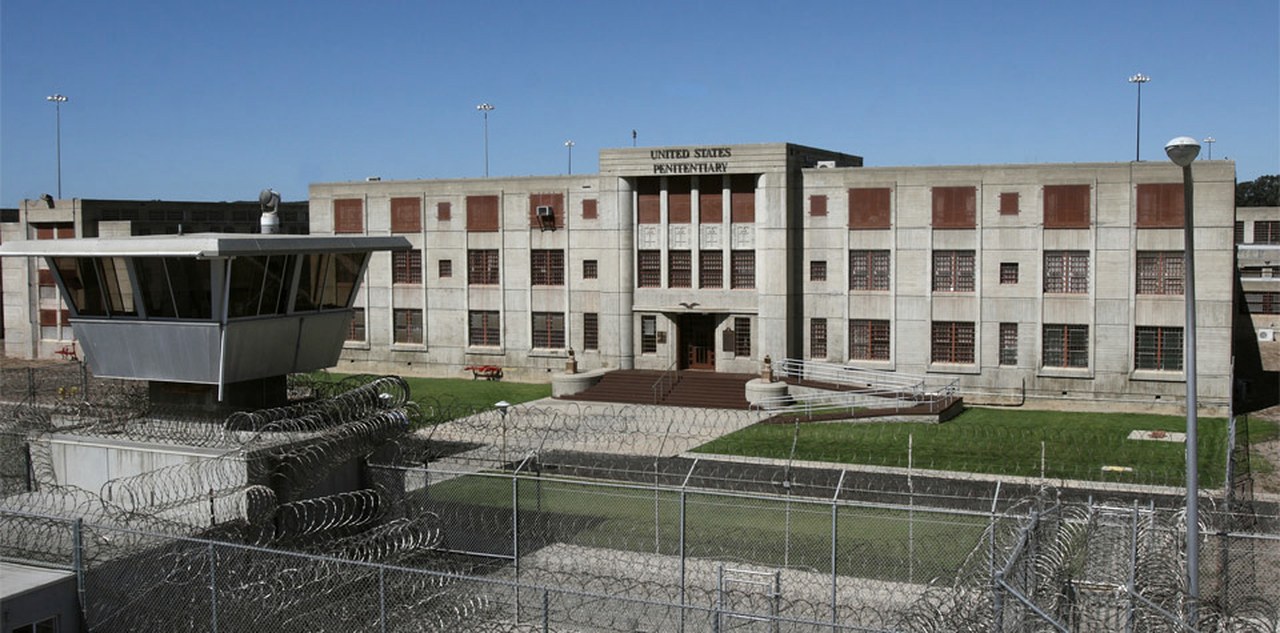
The charge
LeRoy Nellis, the author of this page, was a pretrial detainee at the Williamson County Jail — not a convicted prisoner — and this is his account of what happened to him there. He describes a pattern rather than isolated incidents: solitary confinement, denied medication, forced medical intervention, and blocked emergency care during his pretrial detention. The allegations below are his unless and until they are adjudicated; the structure of what he alleges is what this page preserves.
What the record he kept says
According to Nellis's account: 336 days in solitary confinement. 124 days denied diabetic medication. Forced insulin administered without verified licensing. Altered intake records affecting treatment. Medical deterioration including vision and nerve damage. Medication delays controlled by non-medical personnel. Emergency care denied during active medical distress. And an NCIC phone system that limited external emergency access. Each element, he writes, built on the last.
Medical control without medical authority
Nellis describes a detention medical system in which treatment decisions were not consistently driven by licensed medical staff — medication withheld, intervention forced, authority shifted away from clinical oversight. In his words: "That is not healthcare. That is control."
Emergency care restrictions
During acute medical distress, he reports, emergency pathways were restricted: requests for care denied, no direct 911 access through the jail phone system, no escalation outside internal control. The system, he writes, "contained the event rather than treating it."
"That is not healthcare. That is control."
The medical officer who never saw him
Nellis writes that his care was mediated by uniforms, not clinicians. The people deciding whether and when he received diabetic medication wore Sheriff's Office patches, not stethoscopes. Intake records were altered in ways that changed the treatment he was entitled to. And no licensed medical professional consistently verified the insulin forced on him. For a pretrial detainee, he argues, that inversion is not a staffing problem. It is a constitutional one — the difference between punishment before conviction and punishment masquerading as process.
Pattern recognition
Isolation. Medication denial. Forced intervention. Delayed treatment. Blocked emergency response. Nellis argues the sequence is too consistent to be coincidence — that each element built on the last, and that the pattern is the policy. His conclusion is absolute: "This is not breakdown. This is structure."
The accountability framework
This page preserves Nellis's firsthand account as he presented it. The claims remain his allegations unless and until they are adjudicated in a court of law. What the record supports — and what this site's evidentiary pages document — is a jail system overseen by the Williamson County Sheriff's Office. By Nellis's account, it failed to provide basic constitutional medical care to pretrial detainees. The oversight apparatus still has not answered for it. Related pages on this site describe the detention timeline, the Sheriff's Office interference pattern, and the jail's medical failures in fuller detail. Together they form the record this site exists to keep.
Why this page exists
Every element of Nellis's account was documented on this site while it happened. The timeline. The medical requests. The jail standards complaints. The records withheld. The grievances filed and lost. This page is not new evidence. It is the summary page. The shareable, citable record of what he alleges. It is kept permanently at the URL where the search engines first found it. The next journalist, lawyer, or investigator who asks what happened to LeRoy Nellis in the Williamson County Jail finds the same document every time.
What the Record Shows
This page is the personal account of one man inside Williamson County Jail for 336 days. Every specific number is his firsthand testimony. The 336 days. The 124 days. The vision and nerve damage. The NCIC phone restriction. All of it presented as he presented it, not as an adjudicated finding. His allegations stand unproven in the legal sense. They are preserved in the journalistic and evidentiary sense. The record of what a pretrial detainee says the jail did to his body, kept whole, at the URL where it belongs.